
| Yamanashi, JAPAN |
Fuji Golf Course
Photos


Course Information
| Designer |
Kazue Akashi |
| Hole/Par/Yard |
18H/ Par 72/ 6,792 yards |
| Established | 1935 |
| Location | Kawaguchiko town |
| Closed on |
Closed: Mid Jan to End Mar |
| Maximum Players | 4 |
| Golf Cart |
Included Shared Cart |
| Golf set |
〇 |
| Golf Shoes | 〇 |
| Umbrella | 〇 |
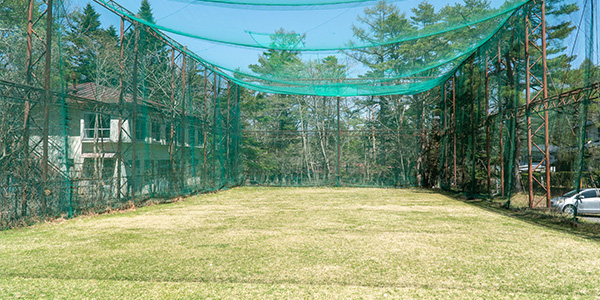
| Driving range |
〇 |
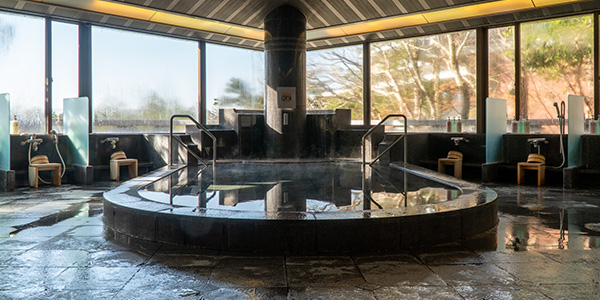
| Facilities | Restaurant, Bath |
* Prices are subject to change without notice
Course Description
Akashi’s 1935 classic: A historic Fuji-side gem where tradition meets the "Fuji Grain."
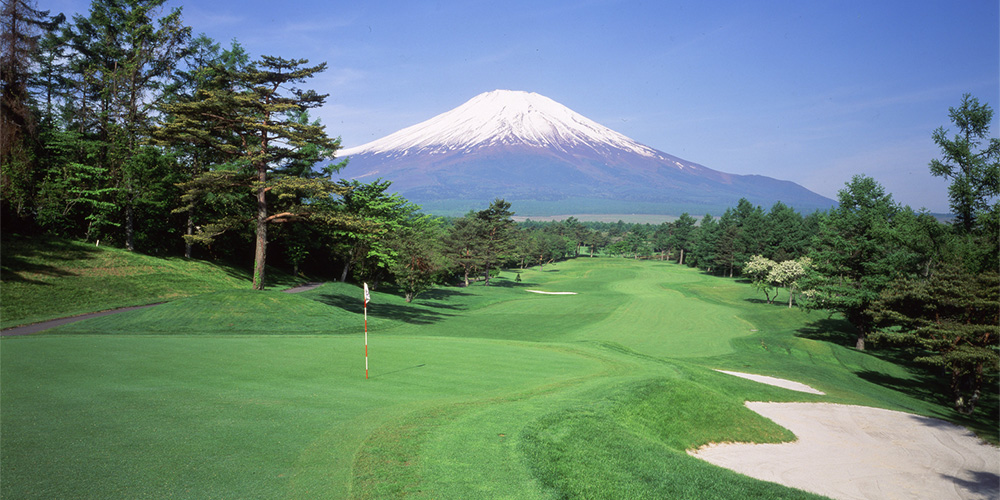
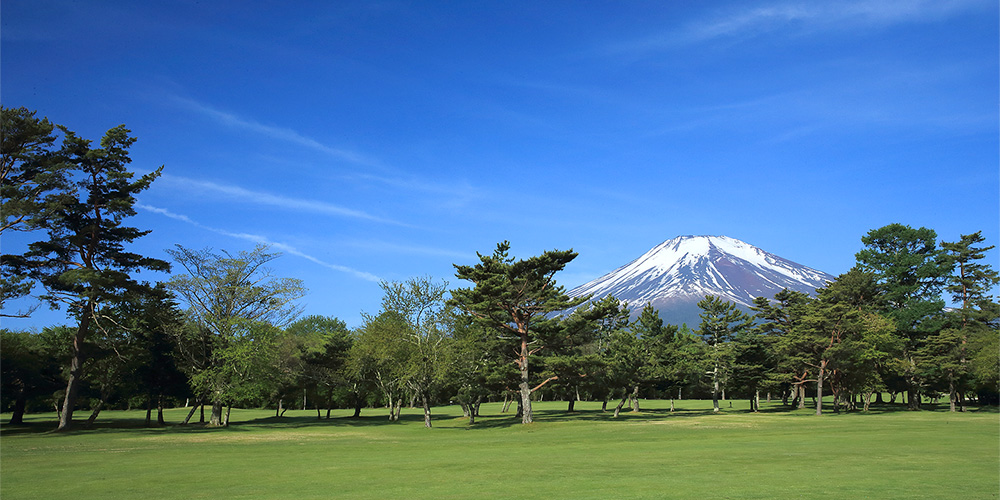
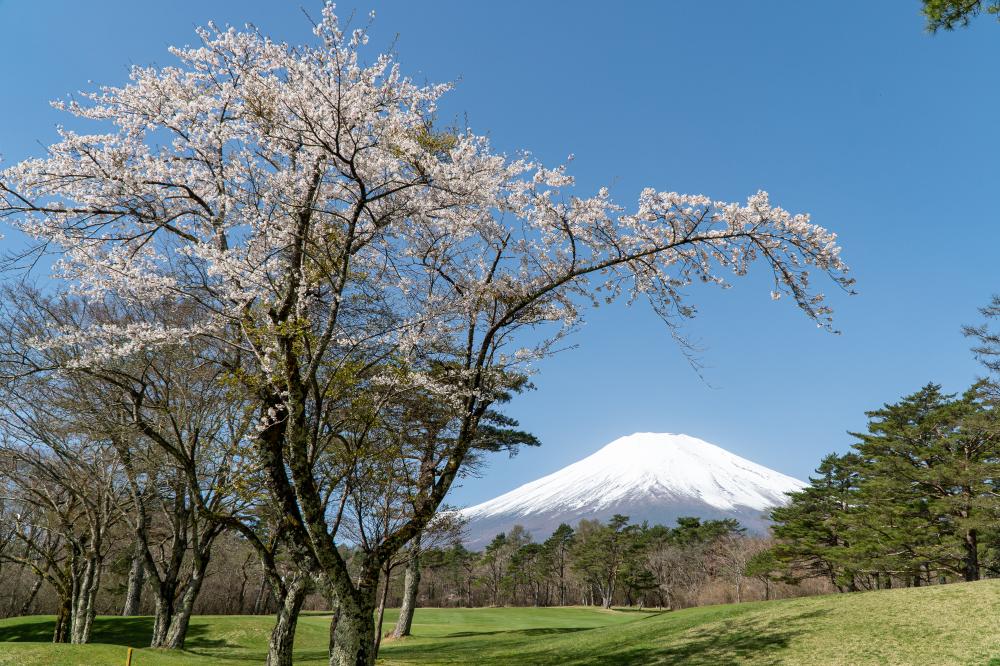
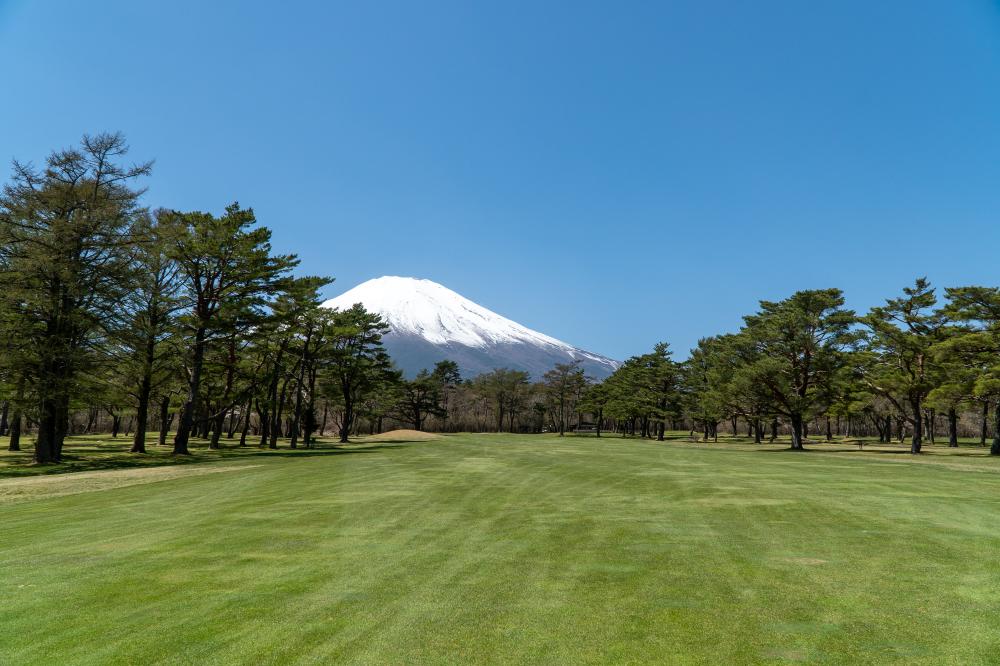
Established in 1935 at the base of Mount Fuji, this Kazue Akashi masterpiece stands as a timeless sanctuary of Japanese golf history. With nearly a century of heritage, it stands as one of Japan’s most prestigious classic resorts. Akashi’s design philosophy of "minimal intervention" allowed the natural contours of the Yamanakako highlands to dictate the layout, creating a masterpiece where the majestic presence of the volcano and the serenity of Lake Yamanaka harmonize with every hole.
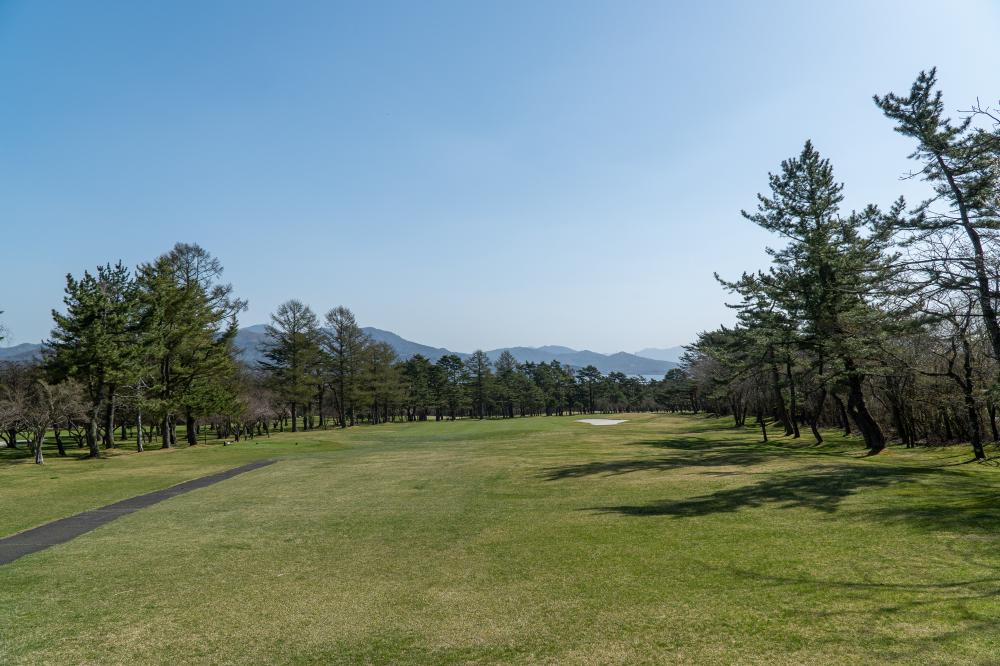
The course exudes a timeless elegance, preserved through generations to offer a pure golfing experience. Its wide, rolling fairways and breathtaking vistas have captivated golf enthusiasts and dignitaries alike, making it a "must-play" sanctuary for those seeking to walk through the history of Japanese golf.
Pre-Round Strategic Insights to Know Before Playing Fuji Golf Course
To successfully navigate this historic landscape, players must look beyond the yardage markers and master these traditional elements:
-
Decipher the "Fuji Eye" (The Grain)
The most defining characteristic of this course is the influence of Mount Fuji on the grass. The grain of the greens and fairways almost always runs away from the mountain. This "Fuji Eye" can make uphill putts lightning-fast or downhill putts deceptively slow. Mastering the relationship between the peak and your ball is the ultimate key to scoring.
-
Adjust for high-altitude ball flight
Sitting at an elevation of approximately 1,000 meters, the thinner mountain air allows the ball to travel significantly further than at sea level. Players should be prepared to club down and recalibrate their distances to avoid overshooting the target, especially on approach shots.
-
Navigate the natural, subtle undulations
Akashi’s 1935 design preserves the original humps and hollows of the plateau. Fairways that appear flat often hide subtle slopes that can affect your stance and ball flight. Finding the "flat spots" for your landing zones requires a thoughtful, intellectual approach rather than raw power.
-
Respect the classic hazard placement
While the course lacks the flashy water hazards of modern designs, its strategically placed bunkers and treelines are masterfully positioned to penalize stray shots. These hazards reflect the strategic purity of the 1930s, rewarding precision and penalizing greed in the spirit of the original game.
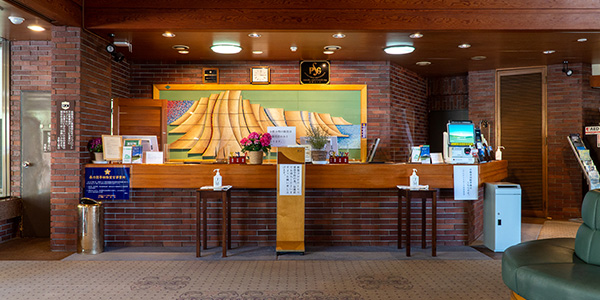
The experience concludes at a classic clubhouse that breathes history, offering a refined atmosphere that only nine decades of operation can produce. From the lobby to the locker rooms, every corner tells a story of Japan’s evolving golf culture.
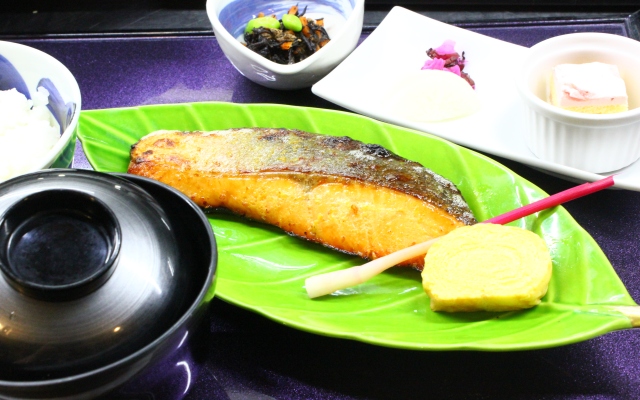
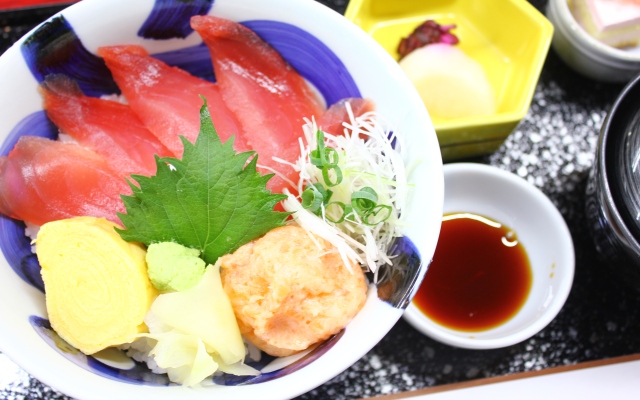
The restaurant serves time-honored dishes prepared with fresh local ingredients and crystalline spring water from Mount Fuji. Combining Kazue Akashi’s architectural vision with the awe-inspiring shadow of Japan’s most sacred peak, Fuji Golf Course offers more than just a round—it is a journey through the soul of the sport.